- ASpect’s Client: Orange City Council
- Head Client: Orange City Council
- Plant Configuration: MLE
- Plant Size: 60,000 EP
- Project Value: $25k (ASpect Fee $13k)
- Project Duration: June 2020 to July 2023
Orange STP Carbon Dosing Trials, with the University of Sydney for Orange City Council (NSW).
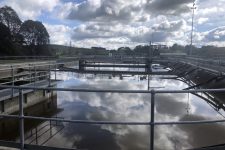
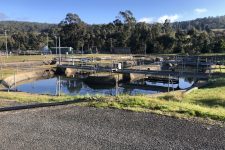
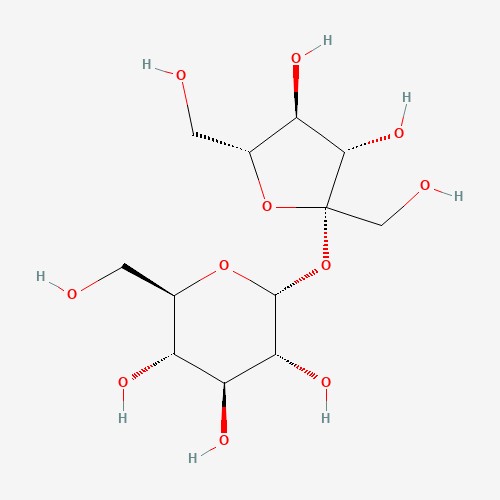
Orange STP is an nitrification/denitrification STP that includes primary sedimentation tanks (PSTs). The PSTs reduce the sizer and operating cost of the secondary treatment system substantially. However, the solids they remove reduces the denitrification potential of the bioreactor. Denitrification performance at commissioning was adequate due largely to favourable trade waste (untreated apple juice waste) and the presence of a raw sludge pre-fermenter. Regulations forced the pre-treatment of the favourable trade waste and the fermenter proved to be a heavy maintenance burden. The result was that effluent total nitrogen (TN) increased over time, to the point where the licence limits became challenging. ASpect had previously produced an options report that compared the theoretical effectiveness and cost of common soluble biodegradable carbon sources. This assessment concluded that glycerol dosing was likely to be the most cost effective way to improve TN removal. However, glycerol is little used in Australia. It was therefore advisable to trial glycerol dosing at Orange STP to test its effectiveness. OCC and ASpect partnered with the University of Sydney to trial carbon dosing (glycerol and sucrose) at full scale at Orange STP. The trials were the subject of a PhD thesis. ASpect acted as one of the thesis supervisors, guiding the PhD student from trial set-up, theoretical predictions, optimisation and monitoring. ASpect also reviewed the PhD thesis. The results were unexpected. Glycerol proved ineffective, possibly due to the cold winter temperatures and the impact this had on biomass ‘acclimation’ time. Sucrose did prove effective, but also required considerably more acclimation time than expected. The TN removal performance proved to be almost exactly as theoretically predicted by ASpect. The trials were repeated two years later in summer, with similar results. During this time period, the cost of glycerol had increased to the point where sucrose became more cost effective. Sucrose dosing is therefore likely to be the solution for OCC in the medium to long term.