- ASpect’s Client: AECOM
- Head Client: Central Coast Council
- Plant Configuration: FSB & MLE
- Plant Size: 75,000 EP and 12,000 EP
- Project Value: $130M (ASpect Fee $200k)
- Project Duration: April 2021 to June 2024
Charmhaven STP and Gwandalan STP Options Reports and Concept Designs, with AECOM for Central Coast Council (NSW).
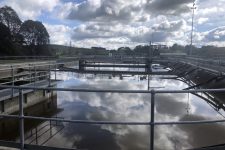
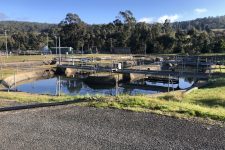
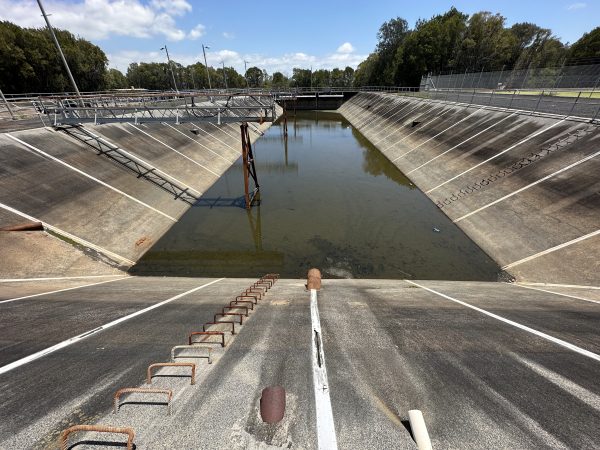
Central Coast Council (CCC) own and operate a number of STPs in the Central Coast region ofd NSW. This is a growing region north of Sydney. The high growth in the Charmhaven STP catchment resulted in the existing STP (IDEA style bioreactors with sludge lagoons) being overloaded. The Gwandalan STP was also overloaded, but not o the same extent. The overloading of the STPs made construction and commissioning sequences more complex. The original strategy, prepared by others, involved the expansion of the STP using existing IDEA style bioreactors and sludge lagoons. The scope of work included the development of a design basis report for each STP based on first principal assessments of current loadings, growth, sewage quality and future effluent quality. Full plant models of the existing facilities were developed to calibrate the loadings and provide confidence. The results of the loading reports were fed into an options assessment phase for each plant including long-listing, short-listing modelling of each option followed by cost and non-cost comparisons. The options for bioreactors, sludge stabilisation, sludge dewatering, aeration and recycled water treatment were all assessed. The preferred option for Charmhaven STP was to ultilise one existing IDEA bioreactor as a continuous flow bioreactor that was operationally flexible, allowing it to operate as an MLE or FSB bioreactor. This future proofed the facility against the possibility of tightening effluent TN in the future. The other IDEA bioreactor could be utilised as an aerobic digester with little modification. CCC later decided to adopt an option to build a Greenfield bioreactor rather than convert the existing IDEA. The recycled water treatment system consisted of continuous backwash filtration, UV and chlorination. Complex critical control protected the recycled water system while allowing plant reclaim effluent to continue to be supplied. The preferred option for Gwandalan STP was similar except that the converted bioreactor was designed for MLE alone. ASpect’s role in the project was to determine current and future loads, help AECOM to prepare options, undertake the process design component of the concept design, draft P&IDs and prepare the process designer’s reports.